How dangerous is your job — really?
Every year the U.S. Bureau of Labor Statistics publishes the Census of Fatal Occupational Injuries, the most authoritative dataset on workplace fatalities in America. The national aggregate sits at roughly 3.6 deaths per 100,000 full-time workers. But the average hides a stark reality: a handful of occupations carry fatality rates 5 to 30 times higher than that.
Below are the 10 most dangerous jobs in America based on the most recent CFOI data, ranked by fatal injury rate per 100,000 workers.
The ranking — fatality rates per 100,000 workers
| Rank | Occupation | Fatalities per 100,000 |
|---|---|---|
| 1 | Logging workers | 100+ |
| 2 | Fishing & hunting workers | ~75 |
| 3 | Aircraft pilots & flight engineers | ~55 |
| 4 | Roofers | ~47 |
| 5 | Refuse & recyclable material collectors | ~35 |
| 6 | Structural iron & steel workers | 29 |
| 7 | Truck drivers | 26 |
| 8 | Farmers & ranchers | 24 |
| 9 | Power line installers | 20 |
| 10 | Construction laborers | 13 |
What makes each one dangerous
1. Logging workers
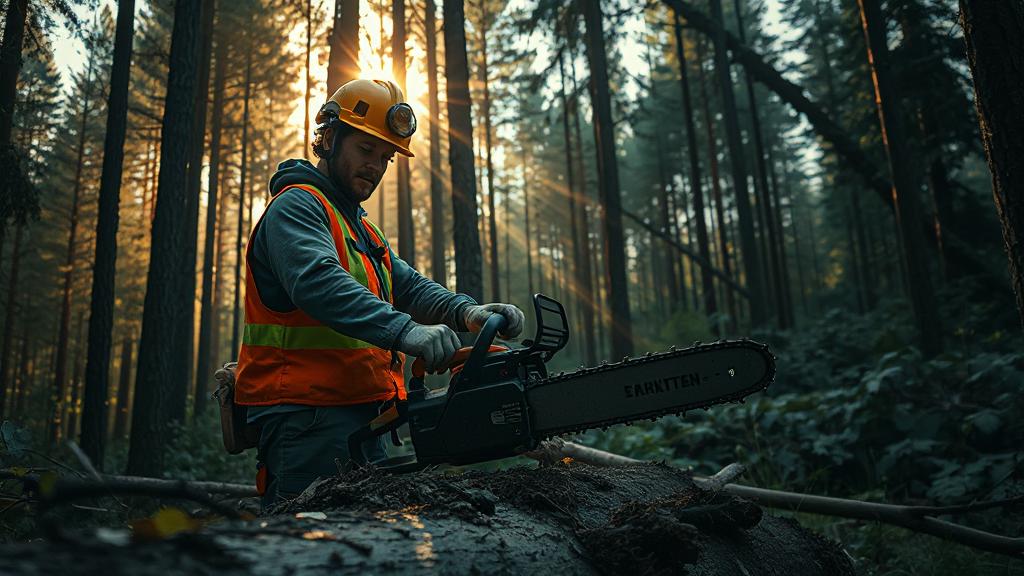
Logging operates in remote terrain with little immediate medical support. Falling trees, rolling logs, and chainsaw injuries account for the bulk of incidents. Many fatalities involve workers caught between equipment and trees, or struck by branches snapping back unpredictably.
2. Fishing and hunting workers
Commercial fishing combines all the worst variables: heavy equipment, slippery surfaces, cold water, isolation, and weather that can change in minutes. Most fatal incidents involve drowning after vessels capsize or workers fall overboard.
3. Aircraft pilots and flight engineers
The risk is concentrated in agricultural aviation (crop dusting), bush flying, and emergency medical helicopter operations — not commercial airlines, which remain extremely safe.
4. Roofers
Falls from height dominate the statistics. Heat stroke, falling materials, and electrocution from nearby power lines round out the top hazards. OSHA fall-protection rules apply at six feet, but compliance varies widely on smaller residential jobs.
5. Refuse and recyclable material collectors
The number-one cause is being struck by passing vehicles. Compactor and machinery injuries, along with exposure to hazardous waste, complete the picture.
6. Structural iron and steel workers
High-rise erectors face fall hazards comparable to roofers, plus the added risks of working with heavy lifted loads.
7. Truck drivers
Long hours, fatigue, and large numbers of total workers make trucking the occupation with the highest absolute fatality count year after year — even though the rate per 100,000 is lower than the trades above.
8. Farmers, ranchers, and agricultural workers
Tractor rollovers, livestock handling, grain bin entrapment, and machinery entanglement remain the leading causes of farm deaths.
9. Power line installers
Electrocution and falls from height are the dominant risks. Storm restoration work raises the danger sharply.
10. Construction laborers
The lowest rate on this list is still nearly four times the national average. Falls, struck-by, electrocution, and caught-between events are OSHA's well-known "Fatal Four."
The good news: things are getting safer
The total number of U.S. workplace deaths has fallen by more than 50% since the 1970s, even as the workforce has grown substantially. OSHA, NIOSH, and improved engineering controls have made measurable differences in nearly every high-risk occupation.
FAQ
Are these jobs well-paid?
Some are. Power line installers, structural iron workers, and experienced truckers can earn six-figure incomes. Logging and fishing pay much less for the risk involved.
Where does this data come from?
The U.S. Bureau of Labor Statistics — specifically the Census of Fatal Occupational Injuries (CFOI) program, which has tracked workplace deaths annually since 1992.
Are these jobs unionized?
Many high-risk trades have strong union representation, which correlates with significantly better safety outcomes and benefits.
Conclusion
Workplace risk is not random. It clusters in industries with heavy equipment, height, vehicles, and remote environments. If you work in any of these fields, the most important factor isn’t the average — it’s your employer’s safety culture, training, and willingness to invest in protective equipment.
Looking for safer career options or higher-paying alternatives? Search jobs on ScrollJob across every industry and location in the U.S.