
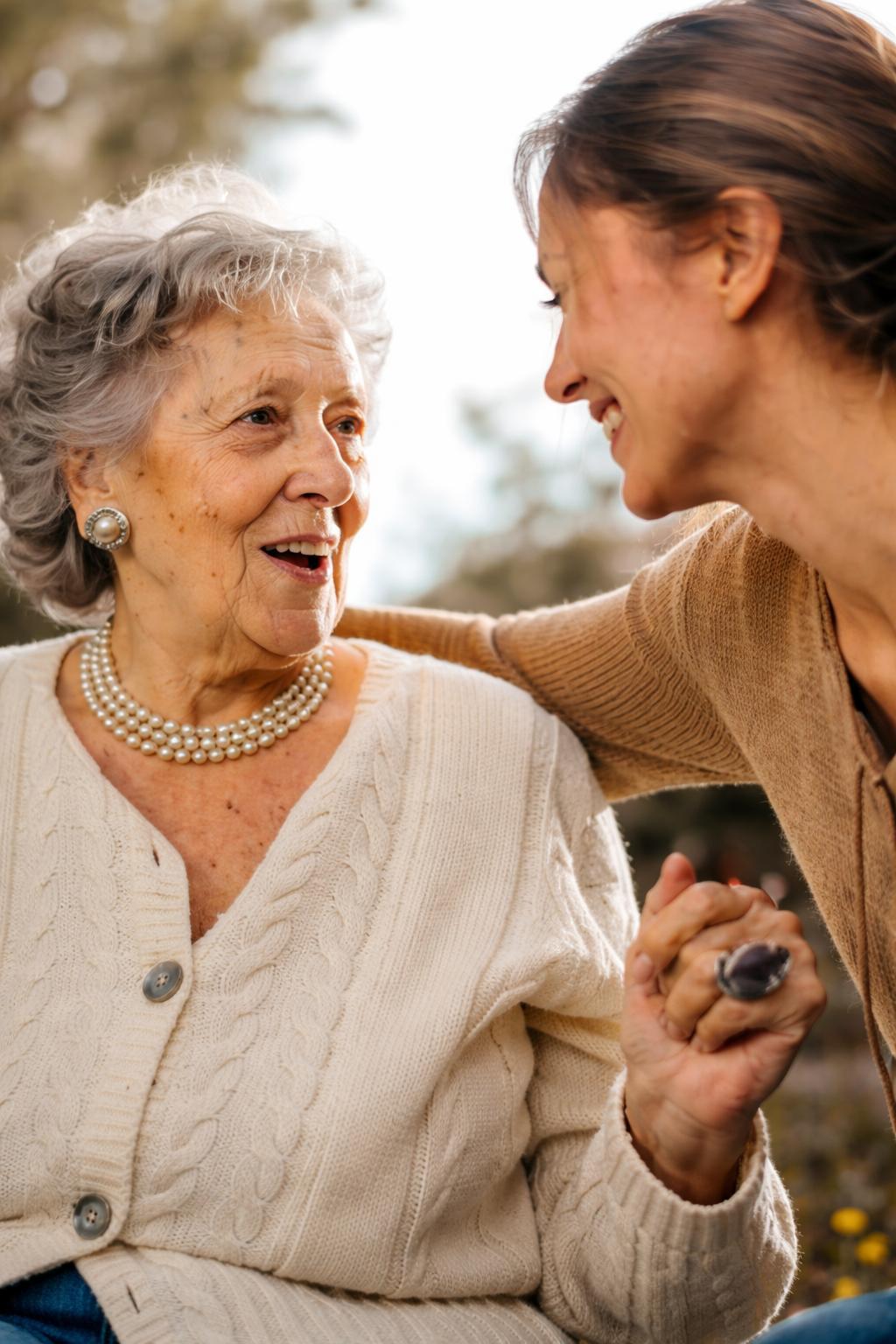
How to Become a Caregiver
Do you want a career where your work truly matters? Becoming a caregiver allows you to support individuals who need daily assistance while building meaningful human connections. This profession combines compassion, responsibility, and practical skills, offering both emotional fulfillment and steady employment opportunities.
Caregiver jobs are in high demand across the healthcare sector, especially as the population ages. If you’re interested in entering this field, understanding the qualifications, certifications, and skills required will help you take the right steps toward success.
Requirements to Become a Caregiver
Although caregiving is often considered an entry-level healthcare role, employers expect candidates to meet certain professional standards to ensure quality care and client safety.
Education
A high school diploma or GED is generally the minimum requirement. Some employers prefer candidates who have completed healthcare-related coursework, such as nursing fundamentals or social services training.
Certifications
Depending on the position, certifications may be required or strongly preferred. Common credentials include:
-
Certified Nursing Assistant (CNA)
-
Home Health Aide (HHA)
-
CPR and First Aid certification
These certifications demonstrate competence in patient care and emergency response.
Essential Soft Skills
Caregiving demands strong interpersonal qualities, including:
-
Empathy and compassion
-
Patience and emotional resilience
-
Clear communication skills
Caregivers must build trust while maintaining professionalism.
Physical Capability
The role may involve assisting clients with mobility, lifting, or transferring between beds and chairs. Physical stamina is often necessary.
Experience
Previous caregiving experience, whether paid or volunteer-based, can improve job prospects. Many candidates gain experience through internships, community programs, or family caregiving.
Background Screening
Since caregivers often work with elderly or vulnerable individuals, background checks are typically required to ensure client safety.
Tools and Skills Needed for Caregiving Success
Excelling as a caregiver requires both practical tools and professional abilities.
Essential Tools for Caregivers
Medication Management Apps
Applications such as Medisafe help track prescriptions and dosage schedules.
Emergency Alert Systems
Devices like Life Alert allow clients to request immediate assistance in urgent situations.
Health Monitoring Devices
Wearable devices can track vital signs and activity levels, helping caregivers monitor overall health.
Communication Platforms
Apps like CaringBridge make it easier to update family members about a client’s condition.
First Aid Supplies
A properly stocked first aid kit is critical for handling minor injuries or emergencies.
Core Skills for Caregivers
Communication
Clear and respectful interaction improves care quality and strengthens relationships.
Emotional Intelligence
Understanding a client’s emotional needs enhances their overall well-being.
Time Management
Caregivers often manage multiple responsibilities, from meal preparation to medication reminders.
Basic Medical Knowledge
Knowing how to monitor vital signs or recognize symptoms can significantly improve care outcomes.
Problem-Solving
Unexpected situations arise frequently. The ability to respond calmly and effectively is essential.
Caregiver Salary Overview
Compensation for caregivers varies based on location, experience, and work setting.
Entry-level caregivers in the United States typically earn between $25,000 and $30,000 annually. With experience, salaries often range from $30,000 to $40,000. Professionals working in specialized healthcare facilities or high-demand regions may earn over $50,000 per year.
Urban areas and medical institutions generally offer higher pay compared to rural or private home-care roles.
Average Caregiver Salary by State
| State | Average Salary |
|---|---|
| California | $45,000 |
| Washington | $43,000 |
| Massachusetts | $42,000 |
| New York | $41,500 |
| Oregon | $40,000 |
| Florida | $38,500 |
| Texas | $37,000 |
| Illinois | $36,500 |
| Pennsylvania | $36,000 |
| North Carolina | $35,000 |
Career Advancement Opportunities for Caregivers
A caregiving career can serve as a foundation for growth within the healthcare industry.
Geriatric Care Manager
Specializes in coordinating comprehensive care plans for elderly clients.
Home Health Aide
Provides in-home assistance with daily activities and health monitoring.
Personal Support Worker (PSW)
Supports individuals with disabilities or chronic illnesses in maintaining independence.
Care Coordinator
Acts as a bridge between healthcare providers, patients, and families.
Certified Nursing Assistant (CNA)
Works in hospitals or nursing facilities, offering hands-on patient care in clinical environments.
Frequently Asked Questions
What education is required to become a caregiver?
Most roles require a high school diploma, along with CPR and First Aid certification.
What are daily responsibilities?
Caregivers assist with personal hygiene, mobility, meal preparation, medication reminders, and companionship.
Can I work part-time as a caregiver?
Yes. Many caregiving roles offer flexible schedules, including part-time and shift-based work.
Is experience necessary?
Not always, but prior experience—paid or volunteer—can improve employment opportunities.
Are there specialized caregiver roles?
Yes. You can specialize in pediatric care, elder care, disability support, or medical facility assistance.
How do I prepare for a caregiver interview?
Review common interview questions, highlight your compassion and reliability, and demonstrate your understanding of patient safety.


