

How To Become an Engineer
Embarking on the journey to become an engineer is one of the most strategic career decisions in today’s job market. Engineering jobs in the US consistently rank among the highest-paying and most in-demand professions across industries such as technology, construction, manufacturing, aerospace, and energy.
Whether you're interested in civil engineering, mechanical engineering, electrical engineering, or software engineering, each specialization plays a vital role in designing, building, and improving the systems that power modern society.
But how do you actually become an engineer?
The path typically includes:
-
Earning a relevant engineering degree
-
Gaining hands-on experience through internships
-
Developing technical and analytical skills
-
Obtaining professional certifications or licenses (when required)
Engineering is not just about technical knowledge — it’s about innovation, problem-solving, and applying math and science to real-world challenges.
Why Engineering Is a Strong Career Choice
Engineering careers offer:
-
High earning potential
-
Strong job security
-
Global career mobility
-
Clear promotion pathways
-
Opportunities across multiple industries
According to labor market trends, engineering jobs continue to grow due to infrastructure development, digital transformation, and renewable energy expansion.
What Does an Engineer Do?
At its core, engineering involves designing, testing, and improving systems, structures, and technologies. The specific responsibilities depend on the engineering field:
-
Civil engineers design infrastructure like roads and bridges
-
Mechanical engineers develop machinery and mechanical systems
-
Electrical engineers work with power systems and electronics
-
Software engineers build applications and digital platforms
Each engineering career path requires specialized education and training, but the foundation remains the same: analytical thinking, precision, and technical expertise.
This guide will walk you through:
Common Questions About Becoming an Engineer
What degree do you need to become an engineer?
To become an engineer in the US, most employers require at least a Bachelor’s degree in Engineering from an accredited university. Common majors include civil engineering, mechanical engineering, electrical engineering, and software engineering. Some specialized or leadership roles may require a Master’s degree.
Choosing an ABET-accredited program is especially important for long-term career growth and licensing.
How long does it take to become an engineer?
The typical timeline to become an engineer is:
-
Education requirements for engineers
-
Engineering certifications and licenses
-
Entry-level engineering jobs
-
Engineering salary expectations
-
Industries hiring engineers
-
Common questions about engineering careers
Education Requirements for Engineers
If you're researching how to become an engineer, understanding the education requirements is the first critical step. Engineering is a highly technical profession, and most engineering jobs in the US require formal education combined with practical training.
While specific requirements vary by specialization, there is a general pathway most aspiring engineers follow.
1. Earn a Bachelor’s Degree in Engineering
For most entry-level engineer jobs, a Bachelor’s degree in Engineering is the minimum requirement.
Common engineering degrees include:
-
Bachelor of Science in Civil Engineering
-
Bachelor of Science in Mechanical Engineering
-
Bachelor of Science in Electrical Engineering
-
Bachelor of Science in Software Engineering
-
Bachelor of Science in Chemical Engineering
-
Most engineering programs take 4 years to complete and include coursework in:
-
Mathematics (calculus, linear algebra)
-
Physics
-
Computer science
-
Engineering design
-
Technical problem-solving
-
Choosing an ABET-accredited program is especially important in the US, as many employers and licensing boards require it.
2. Engineering Internships and Practical Experience
Hands-on experience is essential in the engineering career path.
Many universities require:
-
Internships
-
Co-op programs
-
Industry placements
-
These experiences help students:
-
Apply theoretical knowledge
-
Develop technical skills
-
Build professional networks
-
Increase chances of landing entry-level engineering jobs
-
Employers strongly prefer candidates with internship experience.
3. Professional Engineering (PE) License
Some engineering fields require licensure, especially in civil, mechanical, and structural engineering.
To become a licensed Professional Engineer (PE) in the US, you typically must:
-
Earn an accredited engineering degree
-
Pass the Fundamentals of Engineering (FE) exam
-
Gain 4 years of work experience
-
Pass the Professional Engineering (PE) exam
-
A PE license is often required for engineers who:
-
Sign off on public projects
-
Work in infrastructure
-
Offer consulting services
-
Not all engineering careers require licensure (for example, many software engineers do not need a PE).
4. Master’s Degree (Optional but Beneficial)
While not mandatory, a Master’s degree in Engineering can:
-
Increase salary potential
-
Provide specialization
-
Open leadership opportunities
-
Improve competitiveness in high-demand sectors
-
Aerospace engineering
-
Biomedical engineering
-
Artificial intelligence
-
Advanced manufacturing
-
5. Certifications for Engineers
Beyond formal education, engineers may pursue additional certifications such as:
-
PMP (Project Management Professional)
-
Six Sigma certification
-
AWS Cloud certifications (for software engineers)
-
AutoCAD certification (for design engineers)
-
Certifications enhance credibility and improve job prospects.
How Long Does It Take to Become an Engineer?
The typical timeline:
-
4 years for a bachelor’s degree
-
-
2 years (optional) for a master’s degree
-
-
-
4 years work experience for PE licensure
-
-
In total, becoming a fully licensed engineer may take 4–8 years, depending on career goals.
Can You Become an Engineer Without a Degree?
In most traditional engineering fields, a formal degree is required.
However, in certain tech-related roles (such as software engineering), some professionals enter the field through:
-
Coding bootcamps
-
Certifications
-
Self-taught programming
-
Still, a degree significantly improves long-term career stability and advancement.
Why Education Matters in Engineering Careers
Engineering impacts infrastructure, public safety, and technological innovation. Because of this responsibility, employers require strong academic foundations and validated technical expertise.
Proper education not only increases job opportunities but also enhances earning potential and career progression in engineering jobs across the US.
Engineering Specializations Explained
Engineering is not a single career — it’s a broad field that includes multiple specializations, each focused on solving specific types of problems. Understanding the different types of engineering careers can help you choose the right path based on your interests, salary goals, and job market demand.
Below are the most common and in-demand engineering specializations in the United States.
Civil Engineering

4
Civil engineers design and oversee infrastructure projects such as:
-
Roads and highways
-
Bridges
-
Airports
-
Water systems
-
Buildings
-
This field is essential for public infrastructure development. Civil engineering jobs are especially strong in growing urban areas and government-funded projects.
Best for: Those interested in construction, infrastructure, and public works.
Licensing: Often requires a Professional Engineer (PE) license.
Mechanical Engineering


4
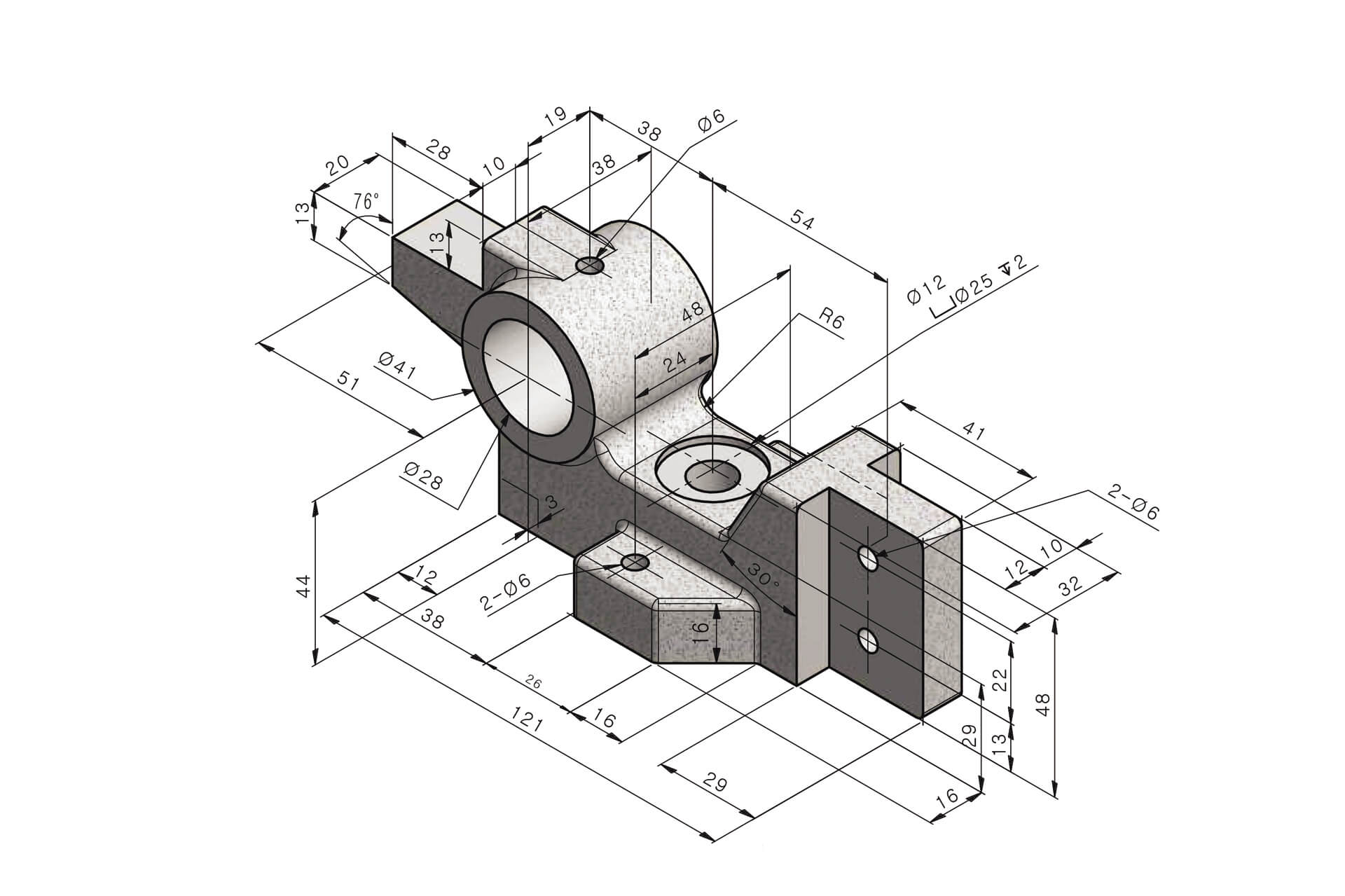
Mechanical engineers work with machines, engines, robotics, and manufacturing systems. This is one of the broadest engineering disciplines.
Common industries include:
-
Automotive
-
Aerospace
-
Manufacturing
-
Robotics
-
Energy
-
Mechanical engineering careers offer flexibility across many sectors.
Best for: Those who enjoy machinery, physics, and hands-on systems.
Electrical Engineering

4
Electrical engineers focus on power systems, electronics, and electrical infrastructure.
Responsibilities may include:
-
Designing power distribution systems
-
Developing electrical components
-
Working on renewable energy systems
-
Managing industrial electrical equipment
-
Electrical engineering jobs are critical in energy, telecommunications, and technology sectors.
Best for: Those interested in electronics, power systems, and innovation.
Software Engineering

4
Software engineers design, develop, and maintain digital systems and applications.
Common areas include:
-
Web development
-
Mobile applications
-
Cloud computing
-
Artificial intelligence
-
Cybersecurity
-
Software engineering jobs are among the highest-paying and fastest-growing careers in the US.
Best for: Individuals who enjoy coding, logic, and problem-solving in digital environments.
Licensing: Typically no PE license required.
Chemical Engineering


4
Chemical engineers work with chemical processes and production systems.
Industries include:
-
Pharmaceuticals
-
Oil & gas
-
Food production
-
Renewable energy
-
This specialization often offers strong salaries due to technical complexity.
Best for: Those interested in chemistry, large-scale production, and industrial systems.
Aerospace Engineering


4
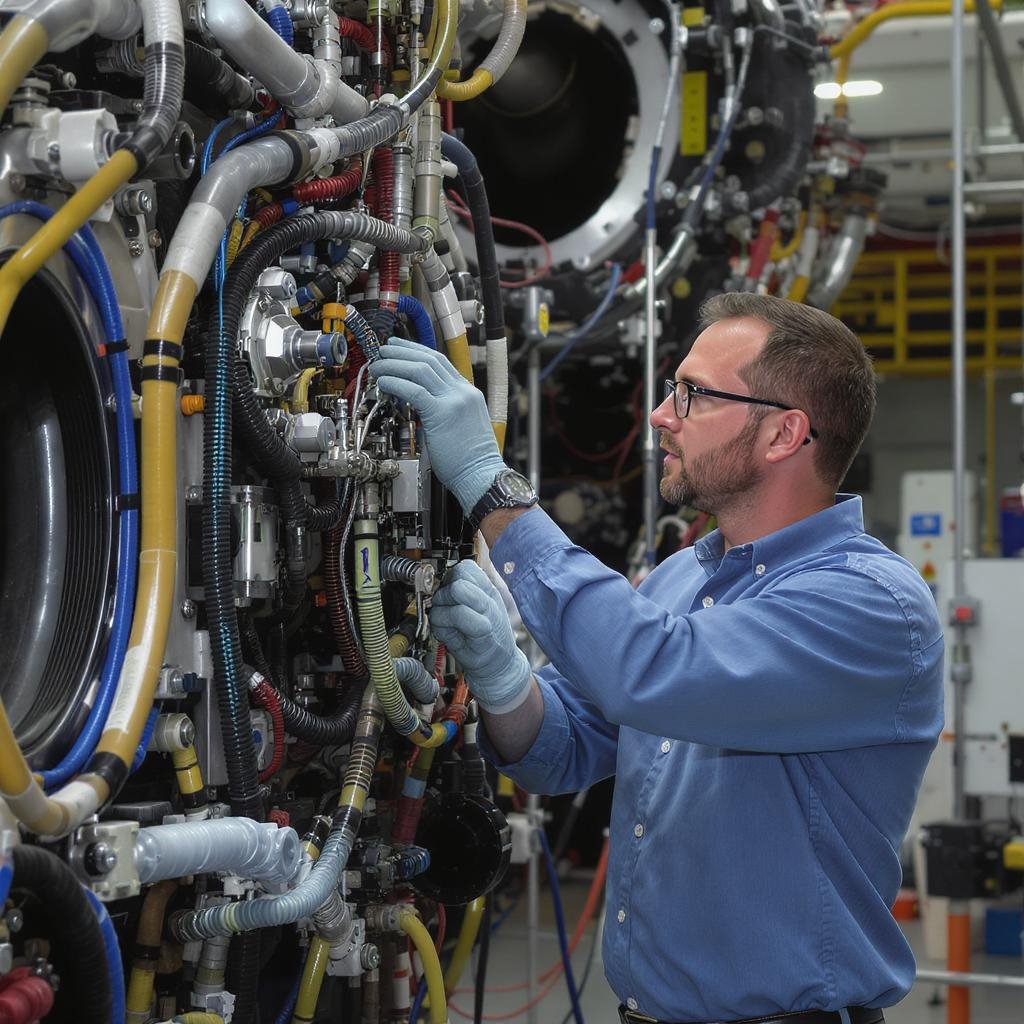
Aerospace engineers design aircraft, spacecraft, satellites, and defense systems.
This highly specialized field requires strong math and physics skills.
Industries include:
-
Aviation
-
Space exploration
-
Defense contractors
-
Biomedical Engineering



4
Biomedical engineers combine engineering and medicine to develop:
-
Medical devices
-
Prosthetics
-
Diagnostic equipment
-
Healthcare technology systems
-
With healthcare innovation expanding, biomedical engineering jobs continue to grow.
Best for: Those who want to work at the intersection of healthcare and technology.
Which Engineering Field Is Best?
The “best” engineering specialization depends on:
-
Salary expectations
-
Job market demand
-
Personal interests
-
Work environment preference
-
Required certifications
-
Software engineering currently offers some of the fastest growth, while civil and mechanical engineering provide stable long-term demand.
Engineering is one of the most versatile career paths available, offering opportunities across nearly every industry.
Engineer Salary in the US
If you’re researching how much engineers make in the US, you’re not alone. Engineering careers consistently rank among the highest-paying professions due to the technical expertise, education, and responsibility required.
Let’s break down the numbers.
Average Engineer Salary in the United States
The average engineer salary in the US typically ranges between:
$75,000 – $120,000 per year
According to national labor statistics, the median annual wage for engineers across all disciplines is approximately:
$95,000+ per year
However, salary varies significantly depending on specialization, experience level, and location.
Entry-Level Engineer Salary
New graduates entering entry-level engineering jobs can expect:
$60,000 – $80,000 per year
Software engineering and certain tech-related roles may start higher, especially in competitive markets.
Internship experience and strong technical skills can push starting salaries toward the upper range.
Mid-Level and Senior Engineer Salaries
With 5–10 years of experience, engineers often earn:
$90,000 – $130,000 annually
Senior engineers, engineering managers, and licensed Professional Engineers (PE) can exceed:
$140,000 – $180,000+ per year
Leadership roles and specialized technical expertise significantly increase earning potential.
Highest Paying Engineering Fields
Some of the highest paying engineering jobs in the US include:
-
Software Engineering
-
Petroleum Engineering
-
Aerospace Engineering
-
Electrical Engineering
-
Computer Engineering
-
Chemical Engineering
-
Technology-focused engineering roles tend to offer the highest compensation due to industry demand.
Engineering Salary by State
Location plays a major role in engineering pay.
States with some of the highest engineering salaries include:
-
California
-
Texas
-
Washington
-
New York
-
Massachusetts
-
High-cost-of-living states often offer higher salaries, especially in tech hubs and metropolitan areas.
Factors That Influence Engineer Salary
Several variables impact engineering earnings:
-
Education level (Bachelor’s vs. Master’s)
-
Professional certifications (PE license)
-
Industry sector
-
Years of experience
-
Engineers in emerging sectors like AI, renewable energy, and cybersecurity often command premium salaries.
Engineering Career Growth and Long-Term Earning Potential
Engineering offers strong salary growth over time. Unlike many professions, pay progression is structured and skill-based.
Career advancement paths include:
-
Senior Engineer
-
Lead Engineer
-
Engineering Manager
-
Technical Director
-
Chief Engineer
-
Each promotion significantly increases total compensation.
Are Engineering Jobs Worth It?
For many professionals, engineering provides:
-
High earning stability
-
Strong job security
-
Long-term career growth
-
Global employment opportunities
-
With continuous demand across infrastructure, technology, energy, and manufacturing, engineering remains one of the most financially rewarding career paths in the US job market.
-
Geographic location
-
Company size
-
Technical specialization
-
4 years for a Bachelor’s degree
-
-
2 years (optional) for a Master’s degree
-
-
-
4 years of experience (for PE licensure in certain fields)
-
-
In most cases, you can qualify for entry-level engineering jobs within four years of study.
Do you need a license to be an engineer?
It depends on the field.
A Professional Engineer (PE) license is required in many public-facing disciplines such as civil, structural, and mechanical engineering. However, software engineers and many tech professionals typically do not require licensure.
To earn a PE license, engineers must pass the FE exam, gain work experience, and pass the PE exam.
What are the highest paying engineering jobs?
Some of the highest paying engineering careers in the US include:
-
Software Engineer
-
Petroleum Engineer
-
Aerospace Engineer
-
Computer Engineer
-
Electrical Engineer
-
Salary potential depends on industry, location, and experience level.
Can you become an engineer without a degree?
In most traditional engineering fields, a degree is required. However, in tech-related roles such as software engineering, some professionals enter through coding bootcamps or certifications.
That said, having a formal engineering degree significantly improves long-term job security and earning potential.
What skills should I include on an engineering resume?
An effective engineering resume should highlight:
-
Technical skills (CAD, programming languages, analysis tools)
-
Project experience
-
Internship or co-op experience
-
Certifications and licenses
-
Problem-solving and analytical skills
-
Are engineering jobs in demand?
Yes. Engineering jobs in the US remain in high demand across industries such as:
-
Technology
-
Infrastructure
-
Energy
-
Manufacturing
-
Aerospace
-
Emerging fields like renewable energy, AI, robotics, and cybersecurity are driving additional demand.
Is engineering a good long-term career?
Engineering offers:
-
Strong salary growth
-
Career stability
-
Advancement opportunities
-
Global job mobility
-
For individuals with strong analytical skills and interest in problem-solving, engineering remains one of the most secure and rewarding career paths.
Using industry-specific keywords helps optimize your resume for applicant tracking systems (ATS).