
Вот полностью уникализированный текст с переработанной структурой, логикой и формулировками.
What Does a Caregiver Do?
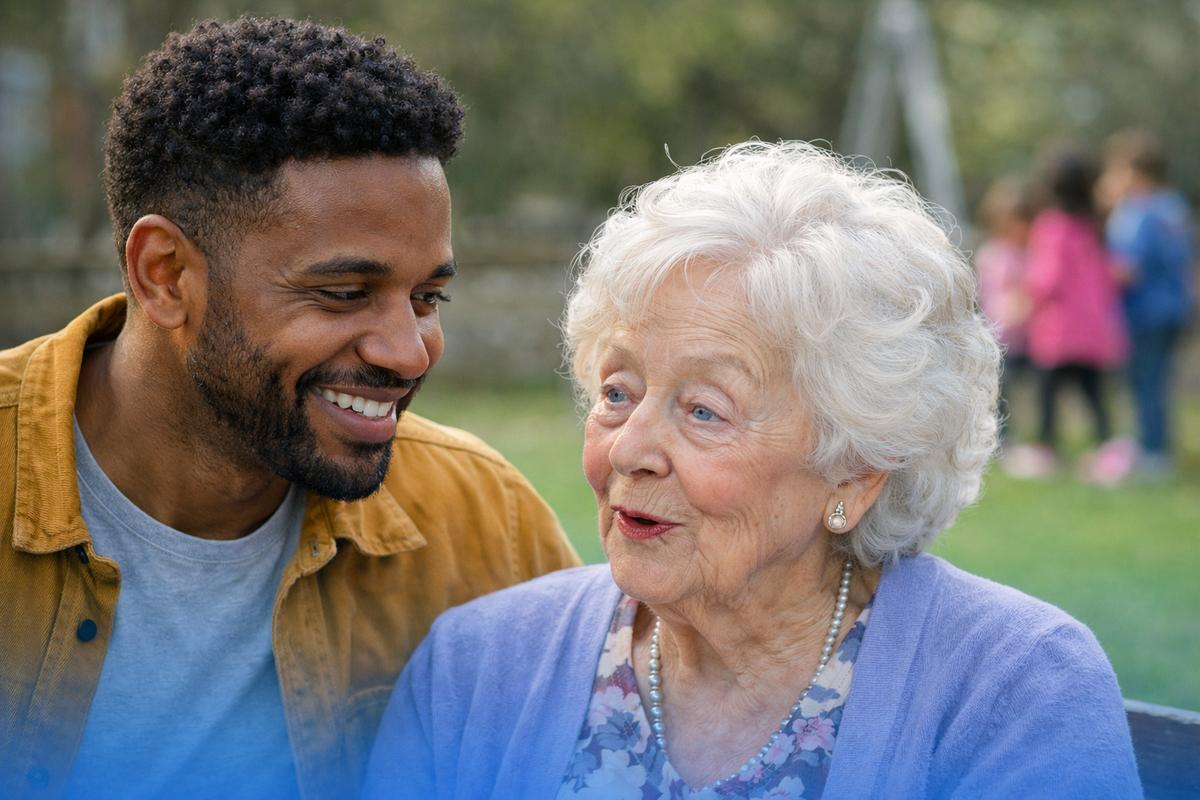
Caregivers are professionals who provide daily assistance and emotional support to individuals who cannot fully care for themselves. Whether helping seniors, people with disabilities, or patients recovering from illness, caregivers play a crucial role in maintaining comfort, safety, and dignity.
If you're exploring caregiver jobs, it’s important to understand that this role combines compassion with practical responsibilities. Caregivers support not only physical needs but also emotional well-being, making their work deeply meaningful and impactful.
What Is a Caregiver?
A caregiver is someone who assists individuals facing physical, cognitive, or health-related challenges. Their responsibilities vary depending on the client’s condition, but the goal remains the same: to improve quality of life.
Caregivers may help with:
-
Personal hygiene and grooming
-
Dressing and mobility assistance
-
Meal preparation
-
Medication reminders
-
Transportation to appointments
-
Companionship and conversation
For example, a caregiver might support an elderly person after surgery by managing medication schedules and ensuring a safe recovery environment. In another case, they may provide daily assistance to someone living with a chronic illness, offering both practical help and emotional reassurance.
Caregivers work in private homes, hospitals, nursing facilities, rehabilitation centers, and assisted living communities. Their presence bridges the gap between medical professionals and personal support.
How to Start a Career as a Caregiver
If you're interested in becoming a caregiver, follow these steps:
1. Learn About the Role
Understand daily responsibilities and work environments before applying.
2. Evaluate Your Personal Qualities
Successful caregivers are patient, empathetic, reliable, and strong communicators.
3. Obtain Certification
Although not always required, certifications such as CNA (Certified Nursing Assistant), HHA (Home Health Aide), or CPR training improve job prospects.
4. Gain Practical Experience
Volunteer work or entry-level healthcare positions help build hands-on skills.
5. Build Professional Connections
Networking with experienced caregivers or healthcare providers can open job opportunities.
6. Apply for Positions
Look for roles in hospitals, home care agencies, or senior living facilities.
7. Prepare for Interviews
Be ready to discuss real-life caregiving scenarios and demonstrate compassion and responsibility.
Types of Caregiver Roles
Caregiving includes multiple specialized positions.
Personal Care Assistant
Helps clients with daily hygiene, dressing, grooming, and mobility tasks.
Companion Caregiver
Focuses on social interaction and emotional support, especially for seniors experiencing isolation.
Healthcare Aide
Assists with basic medical tasks under supervision, such as monitoring vital signs or administering medication.
Respite Caregiver
Provides temporary relief for family caregivers, ensuring continuity of care.
Specialized Caregiver
Works with clients facing specific conditions such as dementia, autism, or chronic illnesses.
Essential Skills for Caregivers
Caregiving requires both technical knowledge and strong interpersonal abilities.
Communication Skills
Clear interaction ensures clients’ needs are understood and met.
Empathy
Compassion helps build trust and emotional comfort.
Problem-Solving
Caregivers must react calmly to unexpected situations.
Time Management
Managing multiple responsibilities efficiently is essential.
Basic Medical Knowledge
Understanding medications, vital signs, and safety protocols enhances care quality.
Patience
Many clients require additional time and understanding.
Physical Stamina
Assisting with mobility or lifting requires strength and endurance.
Adaptability
Care plans may change quickly, requiring flexibility.
Tools Commonly Used by Caregivers
Modern caregiving often involves helpful technology.
Electronic Health Records (EHR)
Allows caregivers to track medical information and update patient records.
Medication Management Apps
Provide reminders and track prescriptions.
Communication Platforms
Enable real-time updates between caregivers, families, and healthcare professionals.
Scheduling Software
Helps manage appointments and care plans efficiently.
Home Monitoring Systems
Provide safety alerts for elderly or vulnerable individuals.
Telehealth Platforms
Allow virtual doctor consultations and remote health support.
Industries Hiring Caregivers
Caregivers are needed across multiple sectors.
Healthcare Facilities
Hospitals, nursing homes, and clinics employ caregivers for patient support.
Home Health Care
Many clients prefer in-home assistance for personalized comfort.
Assisted Living Communities
Caregivers help residents maintain independence while providing support.
Mental Health Services
Support individuals managing psychological conditions.
Rehabilitation Centers
Assist patients recovering from surgery or injury.
Child Care & Special Needs
Provide assistance to children requiring additional support.
Nonprofit Organizations
Support vulnerable populations in community programs.
Educational Institutions
Assist students with disabilities in school settings.
Common Questions About Caregiver Careers
What skills should I highlight on a caregiver resume?
Focus on compassion, reliability, communication skills, and hands-on experience.
Do I need formal education?
A high school diploma is usually sufficient, though certifications improve job prospects.
Can I work part-time as a caregiver?
Yes. Many caregiving roles offer flexible schedules.
What industries hire caregivers?
Healthcare, home care, education, mental health, and nonprofit sectors regularly recruit caregivers.
Are certifications required?
Not always, but CNA, HHA, CPR, and First Aid certifications are highly recommended.


